Discover Memory Care Charlotte Ciscayne
Affordable Senior Care Services: Ensuring Comfort and Safety at Home
Affordable elderly care programs are essential in supporting the elderly community. These alternatives, including in-home assistance and community resources, enable seniors to sustain independence while receiving necessary support. Families commonly navigate complications in deciding on the fitting variety of care. Understanding the assorted programs at hand and their implications can greatly impact an elderly individual's life satisfaction. Analyzing fundamental factors in decision-making may reveal surprising perspectives. What points should families prioritize to provide the superior care?
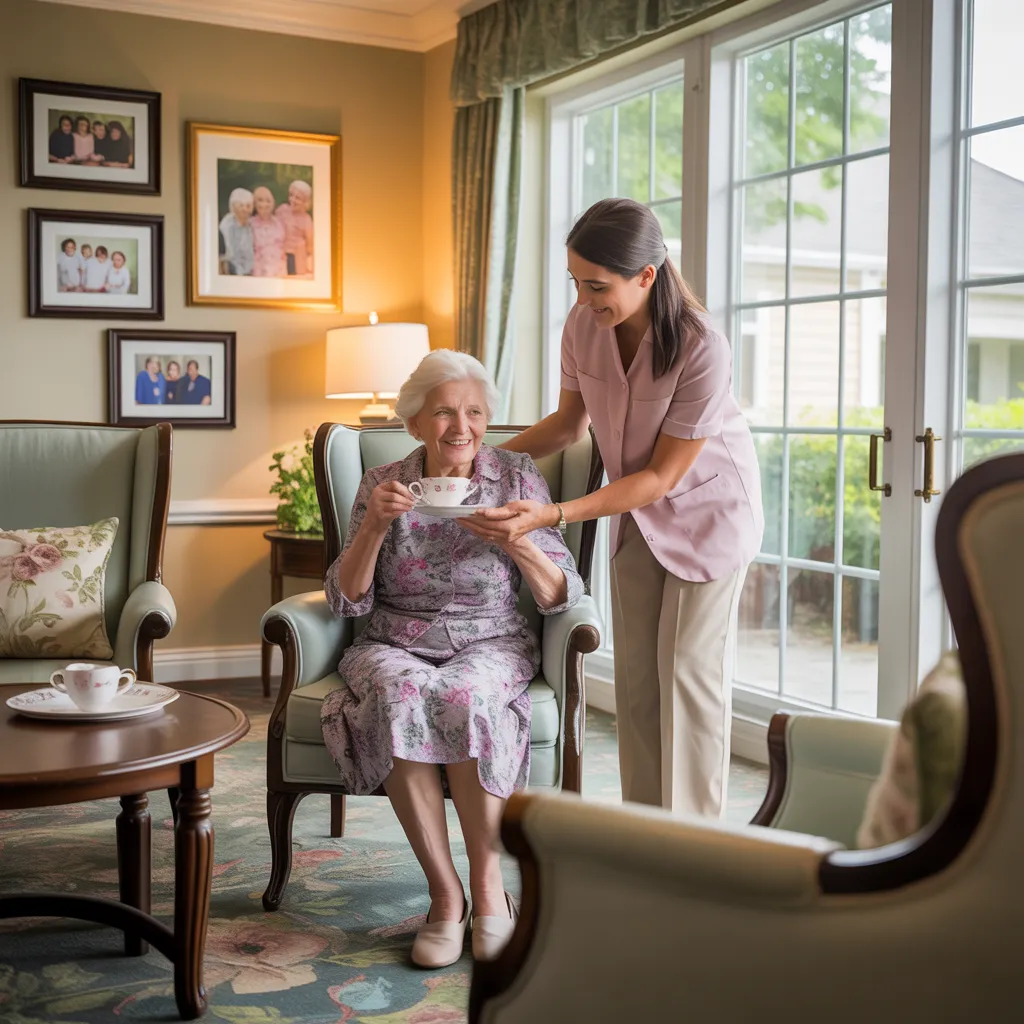
Types of Economical Senior Care Programs
Affordable senior care solutions include a selection tailored to meet the different needs of older adults. Typically, these services incorporate in-home care, which might consist of support with daily activities like bathing, meal preparation, and medication management. Another choice is adult day care, offering a safe environment for seniors during the day, granting caregivers a break while also delivering social engagement and activities for participants. Also, community-based services, such as transportation and meal delivery, support seniors' independence by helping them keep connected to their communities. Respite care is accessible as well, providing family caregivers temporary relief while ensuring their loved ones receive needed support. Finally, senior centers commonly present programs promoting health, wellness, and social participation, fostering a sense of inclusion. These varied options allow families to pick the most fitting care solutions based on individual needs and financial considerations.
How Can You Determine the Distinction Between Home Care and Assisted Living?
When choosing the best care approach for an aging loved one, how do you weigh the advantages of home care compared to assisted living? Home care helps seniors to live in a familiar environment, boosting comfort and emotional well-being. Caregivers offer custom help, including companionship and medical care, tailored to individual needs. This option often fosters independence, enabling seniors to maintain their daily routines.
Similarly, assisted living facilities offer extensive support systems, including meals, social activities, and 24/7 watchfulness. This context encourages social interaction and engagement, which can be constructive for mental health.
At the end of the day, the choice depends on the senior's wellness level, level of independence, and personal preferences. Families should evaluate the severity of care required, fiscal concerns, and the senior's desire for community versus home comfort. A thorough examination of these factors will guide families to the most fitting choice for their family member's care situation.
Critical Aspects for Measuring Quality in Older Adult Care Solutions
When evaluating elderly care options, several critical factors emerge as indicators of quality. Staff credentials and professional development play an vital role in ensuring effective support, while strong safety measures and guidelines are essential for maintaining a secure environment. Additionally, customized care strategies can greatly enhance the health and happiness of seniors by addressing their individual requirements and desires.
Caregiver Qualifications And Education
Although the availability of compassionate caregivers is crucial, their qualifications and training significantly influence the quality of elderly care provision. Care professionals should have relevant certifications and educational backgrounds in fields such as nursing, geriatric care, or social work. Training programs that emphasize practical skills, communication, and empathy are critical for quality care delivery. Continuous career advancement ensures that care workers stay updated on best practices and changing requirements of seniors. Verification screenings and recommendations further enhance trustworthiness, providing reassurance to families. Ultimately, properly qualified care providers not only deliver essential daily support but also create a soothing atmosphere, encouraging both bodily and mental health. Evaluating these credentials can greatly influence the overall quality of support provided by seniors at home.
Safety Protocols And Procedures
How can households guarantee their loved ones are safe while receiving elderly care? Implementing comprehensive safety protocols and procedures is essential. This includes frequent check this resource safety assessments of the residential setting, verifying it is devoid of risks like disorganization or insufficient lighting. Caregivers should have set procedures for emergency situations, including direct lines of communication and accessible emergency contacts. Regular training sessions for caregivers on safety practices improve their preparedness. Additionally, families should confirm that elderly care providers comply with local regulations and standards, which frequently include safety guidelines. Monitoring the implementation of these protocols helps families determine that their loved ones receive care in a secure and protected environment, ultimately advancing their well-being and peace of mind.
Individual Wellness Plans
Individualized care plans are important for ensuring that senior care services address the specific needs of every individual. These plans are adapted to cover various aspects of a senior's life, including health, emotional, and interpersonal needs. Assessment starts with a thorough evaluation by healthcare professionals, who review medical history, current health status, and personal preferences. Effective communication between caregivers, family members, and the senior is vital for creating a plan that encourages independence and improves quality of life. Regular reviews and modifications to the care plan ensure that it stays relevant as circumstances evolve. This proactive approach not only supports physical health but also promotes emotional well-being, ultimately resulting in a more fulfilling and dignified life at home.
What are the Ways to Obtain Financial Aid for Senior Care?
Acquiring financial assistance for senior care demands knowledge of the diverse options at your disposal. Government support initiatives, nonprofit groups, and insurance coverage can substantially minimize the monetary burden. Investigating these options is vital for guaranteeing access to quality care without excessive costs.
Public Assistance Schemes
Numerous households encounter the difficult challenge of funding senior care, frequently using government assistance programs for aid. Such programs offer necessary financial support to defray expenses related to in-home care, adult day care, and nursing homes. Assistance programs like Medicaid, Medicare, and Veterans Administration benefits offer a range of support depending on eligibility standards. To apply, families must go through local and state agencies and collect required documentation, such as income and asset details. Knowing the specific requirements of each program is key; certain programs cover defined services while others enforce income caps. Engaging with a financial advisor or senior care navigator can help families navigate this complex landscape, maximizing available resources for their loved ones’ care.
Nonprofit Resources Accessible
While tackling the challenges of senior care financing, families often disregard valuable nonprofit resources that can supply considerable financial support. Numerous organizations focus on assisting seniors and their families, delivering grants, scholarships, and services adapted for unique circumstances. Local nonprofits may provide funding for home modifications, mobility services, or in-home care assistance, easing economic strain. Additionally, national organizations like the Area Agencies on Aging can connect families with regional support systems, ensuring access to essential support. Collaborating with these nonprofits not only enhances care options but also provides pathways to neighborhood initiatives created to boost seniors' quality of life. Families are encouraged to research and reach out, as these resources can markedly reduce the economic burden connected to senior care.
Insurance Alternatives Broken Down
Navigating the landscape of senior care financing often leads families to evaluate multiple coverage choices that can provide essential monetary assistance. Long-term care insurance is a main choice, covering services like home-based assistance and assisted living. Families may also look into Medicare, which supplies limited coverage for skilled nursing and home health services, but typically does not cover long-term care. Medicaid, on the other hand, can be an critical resource for economically disadvantaged seniors, supplying comprehensive assistance for those who qualify. Additionally, some life insurance policies may offer living benefits or accelerated death benefits for long-term care expenses. Understanding these alternatives enables families to make informed decisions, ensuring that their loved ones receive the necessary care without undue financial strain.
How to Utilize Community Resources for More Affordable Senior Care
Many community resources exist to assist families access affordable senior care options. Local government programs often provide assistance through subsidized services, including meal distribution and transportation. Area Agencies on Aging function as important resource centers, linking families with available services and assistance programs customized for seniors' needs.
Nonprofit organizations often furnish initiatives that can ease the cost of care, such as volunteer support services and household maintenance support. Additionally, faith-based organizations may provide services or funding to support aging adults remain in their homes.
Families can also check out senior centers that often provide activities, workshops, and resources for caregivers, boosting social support. Interacting with other families through community forums can locate undiscovered resources and shared experiences. By taking advantage of these community assets, families can greatly minimize the costs related to senior care while confirming their loved ones obtain the support they need.
Ensuring a Comfortable Movement for Your Older Close Relative
Utilizing community resources can significantly simplify the process of adapting to new care plans for aging loved ones. Local groups often offer assistance programs such as transportation, meal delivery, and social activities, which can enhance the standard of living. Creating a consistent schedule is essential; familiarity can help reduce anxiety during this change.
Engaging the aging individual in choices regarding their treatment establishes a sense of autonomy and dignity. Supporting open communication about their wants and requirements can also enable a smoother transition.
Additionally, developing a pleasant and recognizable setting at home, adorned with meaningful items and pictures, can deliver emotional support. Consistent contact from loved ones can also enhance their emotional well-being, causing the adjustment feel less isolating. Through applying these methods, families can assist their loved ones in handling this major life transition with enhanced confidence and comfort.
Commonly Asked Questions
What Skills Should Caregiving Professionals Demonstrate for Care for Seniors?
Care providers for elderly support offerings should have proper qualifications, experience in elderly care, effective verbal and written communication, empathy, and the ability to execute activities such as pharmaceutical oversight, hygiene and grooming help, and mobility support for clients.
How Can Families Track the Standard of Care at Home?
Families may check care quality by communicating consistently with caregivers, making visits to the home, noting engagement, and recording detailed information about received services. Feedback from older people can also furnish valuable information regarding their overall happiness and state of well-being.
What Clues Demonstrate That an Senior Requires More Assistance?
Indications that a older adult requires extra support include heightened memory issues, difficulty with daily activities, noticeable weight loss, regular episodes of falling, withdrawal from social interactions, and changes in mood or behavior, suggesting a worsening in their overall well-being.
Is Technology Beneficial for Senior Care at Home?
Technology can markedly improve in senior residential care by supplying off-site observation, treatment alerts, and emergency response systems. Such tools bolster protection, support independence, and help caregivers provide expedient support when required.
What Legal Documents Should Households Prepare for Senior Care Decisions?
Families must put together essential paperwork such as durable power of attorney, healthcare proxy, living wills, and guardianship papers. These documents ensure mindful decision-making and defend seniors' preferences and rights in healthcare management.